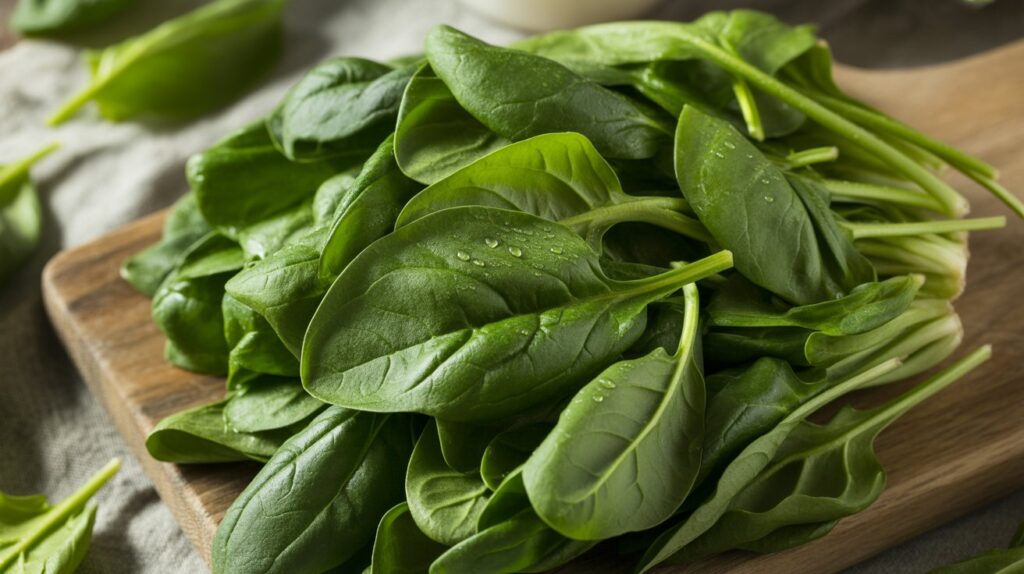
Spinach has long been the poster child for iron-rich foods. Thanks to pop-culture references and decades of nutrition advice, it’s gained a reputation as the go-to leafy green for boosting iron intake. With about 2.7 mg of iron per 100 grams, spinach certainly contributes to your daily needs, but what many don’t realize is that numerous everyday foods provide even more iron — and in forms the body absorbs more efficiently.
For optimal health, adult men need about 8 mg of iron per day, and adult women need 18 mg. Iron supports oxygen transport, energy levels, immune function, and brain health. But not all iron works the same way. Animal foods contain heme iron, which absorbs easily. Plant foods contain non-heme iron, which absorbs less efficiently, but becomes far more usable when paired with vitamin-C-rich foods like citrus, peppers, and berries.
To help you expand your nutrition playbook, here are nine delicious, versatile high iron foods that outperform spinach — and smart tips to enjoy them.
Quinoa — A Plant-Based Protein Packed With Iron

Iron per serving: 2.8 mg per cooked cup
Type: Non-heme iron
Quinoa often makes headlines as a superfood for its protein, fiber, and antioxidant content — but many people don’t realize it’s also a top-tier iron source. Just one cooked cup provides slightly more iron than 100 grams of raw spinach.
Why it’s a great high iron food:
-
Naturally gluten-free
-
Complete protein source
-
Easy to mix into meals
-
Cooks in about 15 minutes
How to use it:
Swap rice for quinoa in stir-fries, burrito bowls, pilafs, or salads. Try adding quinoa to soups or folding it into veggie burgers for an iron-boosting protein upgrade.
Dark Chocolate — A Delicious Iron Boost

Iron per serving:
-
50% cocoa: 2.7 mg per ounce
-
70%+ cocoa: 3.4 mg per ounce
Dark chocolate is surprisingly packed with iron — and the higher the cocoa percentage, the more you get. Even a small amount can meaningfully boost your intake.
Pro tip:
Pair dark chocolate with strawberries or oranges. Vitamin C supercharges iron absorption.
How to enjoy:
-
Melt onto oatmeal
-
Break into yogurt parfaits
-
Use in baking
-
Enjoy as a small after-dinner square
Sesame Seeds — Tiny Seeds with Big Iron Benefits
Iron per serving: 4 mg per 1 ounce (3 tablespoons)
Sesame seeds don’t look like much, but they’re nutritional powerhouses. While a sprinkle on a burger bun won’t do much, enjoying a full tablespoon or two offers a major iron boost.
Try adding sesame seeds to:
-
Stir-fried beef or tofu
-
Coatings for fish or chicken
-
Asian noodles
-
Sesame brittle or halvah
-
Homemade tahini
Because they’re easy to incorporate into sweet or savory recipes, sesame seeds are a practical pantry staple for upping your daily iron intake.
Instant Oatmeal — The Breakfast with a Secret Iron Superpower
Iron per serving: Up to 13.8 mg per cup, depending on fortification
Fortified instant oatmeal is one of the most underrated iron-rich foods. While old-fashioned oats offer mild amounts of natural iron (about 2 mg), many instant oat brands add significant iron during processing.
Even a single instant-oatmeal packet may contain 8 mg of iron, nearly a full day’s worth for men.
Best ways to enjoy:
-
Make with milk for added nutrients
-
Top with berries and nuts
-
Stir in chia seeds or peanut butter
-
Add dark chocolate shavings for an iron-rich breakfast treat
Beef — Easy-to-Absorb Heme Iron
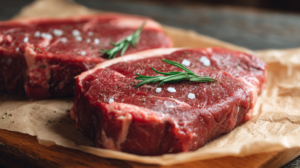
Iron per serving: 2.6 mg per 100 grams (3.5 oz)
Even though beef contains less iron than spinach per ounce, we eat far larger portions. An average 8-ounce steak delivers around 6 mg of iron, almost meeting the daily needs of most adults.
Why beef is so beneficial:
-
Contains heme iron, the form easiest for your body to absorb
-
Packed with protein, zinc, and B vitamins
-
Versatile for meals: stews, stir-fries, tacos, or classic steak dishes
Health tip:
Pair beef with high-fiber sides like quinoa, roasted vegetables, or leafy greens for balanced meals.
Liver — One of the Highest Iron Foods You Can Eat
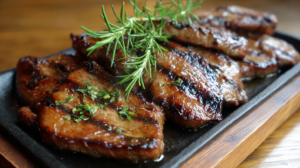
Iron per serving: 4.9 mg per 100 grams
Type: Heme iron
Liver was once a staple in traditional kitchens — and for good reason. It’s one of the most nutrient-dense foods available, rich in heme iron, vitamin A, folate, and B12.
How to enjoy liver:
-
Pan-seared with onions
-
Blended into pâtés
-
Mixed into ground beef in meatloaf or burgers
-
Added to stews in small amounts
If you don’t love liver’s strong flavor, start with chicken liver, which is milder and easier to cook.
Legumes — Lentils, Beans, and Chickpeas
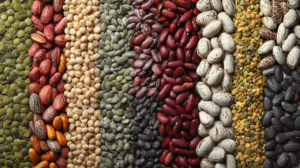
Iron per serving:
-
Lentils (1 cup): 6.6 mg
-
White beans (1 cup): 6.6 mg
-
Kidney beans: 5.2 mg
Legumes are iron-rich, high in fiber, and an affordable protein source. They’re essential staples for vegetarian and vegan diets.
Delicious ways to increase intake:
-
Lentil soup or dal
-
Bean chili
-
White-bean hummus
-
Chickpea curry
-
Bean-based salads
Pair with tomatoes, lemon juice, or bell peppers for boosted absorption.
Tofu — A Plant-Based Iron MVP
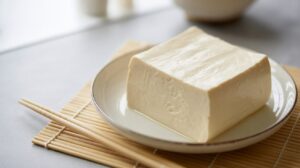
Iron per serving: 6.6 mg per ½ cup
Tofu is incredibly versatile and adapts to nearly any cuisine. Made from soybeans, it contains significant amounts of iron, along with protein, calcium, and magnesium.
Best uses for tofu:
-
Crispy baked tofu
-
Stir-fries and noodle bowls
-
Breakfast scrambles
-
Silken tofu smoothies
-
Braised tofu dishes
If you’re cutting back on red meat, tofu is a strong iron-rich replacement.
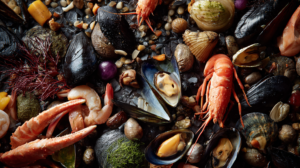
Shellfish — Small Serving, Big Iron Impact
Iron per serving:
-
Oysters (3 pieces): 6.9 mg
-
Mussels (3 oz): 5.7 mg
-
Canned clams: ~30 mg per 100g
Shellfish — especially clams — are among the most concentrated iron sources available. Even small servings deliver massive amounts of heme iron.
Delicious ideas:
-
Oysters with lemon
-
Mussels in white wine or garlic broth
-
Manhattan or New England clam chowder
-
Pasta with clams
Seafood lovers naturally get more iron without even trying.
Tips to Increase Iron Absorption
Boosting your iron intake is great — but helping your body absorb it is the real key.
Eat iron-rich foods with:
-
Vitamin C: citrus, tomatoes, berries, kiwi, peppers
-
Vitamin A: carrots, sweet potatoes, leafy greens
Avoid pairing iron with:
-
Coffee
-
Tea
-
Red wine
-
Calcium supplements
These inhibit absorption when consumed at the same time.
Spinach may be a well-known source of iron, but it’s far from the only option. Whether you’re looking to support energy levels, improve nutritional balance, or diversify your meals, these nine high iron foods offer excellent — and often superior — alternatives.
By mixing plant-based and animal-based choices, and pairing them with vitamin-rich ingredients, you can easily meet your daily iron needs while enjoying delicious meals.