The Perfect Blend of Balayage and Highlights
If you’ve never been able to choose between highlights and balayage, you no longer have to. Color melting hair is the low-maintenance, high-impact coloring technique that combines the best of both methods—creating soft dimension, natural brightness, and seamless transitions with minimal upkeep.
This hand-painted approach to hair color is gaining traction during the colder months, when many people want polished hair without frequent salon visits. According to celebrity hairstylist Nick Stenson, founder of Nick Stenson Beauty, “Winter often calls for a softer, more natural style. People are looking for low-maintenance ways to keep their color while still looking blended and effortless.”
Below, experts break down exactly what color melting is, how it works, and who it’s best for.
What Is Color Melting?
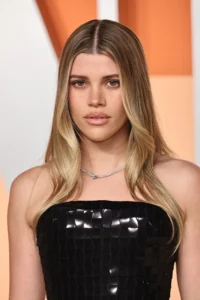
Color melting is a professional hair-coloring technique that blends multiple shades together so smoothly that no visible lines remain. Instead of stark contrasts or obvious placement, colors appear to “melt” from roots to midlengths to ends.
The result is dimensional hair that looks natural, expensive, and intentionally soft—perfect for clients who want grow-out that doesn’t scream “overdue appointment.”
View this post on Instagram
How Color Melting Differs From Balayage and Highlights
While balayage and highlights are both popular coloring methods, color melting hair sits somewhere in between.
-
Highlights create defined, lighter strands that usually start near the roots, requiring frequent touch-ups.
-
Balayage creates a gradient effect, focusing brightness on midlengths and ends for a sun-kissed look.
-
Color melting blends multiple tones seamlessly from root to tip, eliminating harsh transitions while still maintaining depth and contrast.
“Color melting creates a seamless blend of tones with no harsh lines,” Stenson explains. “It’s easier to grow out than traditional highlights, but more dimensional than a soft balayage.”
Because the color shifts gradually, it allows clients to extend the time between salon visits—one of its biggest appeals.
How Does Color Melting Work?
Color melting is designed to mimic how light naturally hits hair. Rather than applying color in bold sections, stylists layer shades using a wet-on-wet technique so everything blends organically.
“I typically work with two to three shades within the same tonal family,” says Stenson. “They’re applied in a gradient and overlapped so there’s no visible line of demarcation.”
Key techniques used in color melting include:
-
Hand-painting larger sections of hair
-
Feathering and smudging transition points
-
Root smudging or glossing for a soft fade
-
Strategic placement to enhance movement and depth
The goal is natural-looking dimension that moves with the hair rather than sitting on top of it.
Who Is Color Melting Best For?
Color melting works on most hair types and textures, but it shines especially well on wavy and curly hair, where movement enhances the blended effect.
“This look is ideal for textured hair because the dimension becomes more visible as the hair moves,” Stenson says.
For fine or very straight hair, stylists may adjust the technique by adding:
-
A deeper root color for contrast
-
Strategic layering to prevent flatness
Best Hair Colors for Color Melting
While color melting can be adapted for many shades, it tends to show best on:
-
Dark blonde
-
Light brown
-
Caramel
-
Golden blonde
“These tones blend beautifully and showcase the softness of the melt,” Stenson explains.
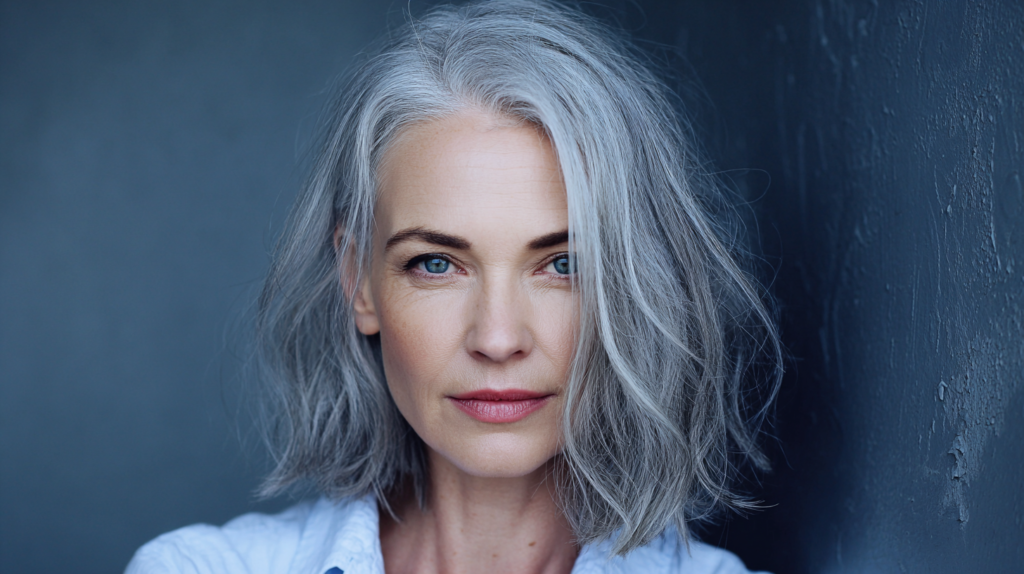
Darker or virgin hair may require pre-lightening to ensure enough contrast for the blend to be visible. Color melting is also an excellent option for transitioning gray hair, since it minimizes harsh grow-out lines and allows for multi-tonal blending.
Is Color Melting Low Maintenance?
Yes—and that’s exactly why it’s trending.
Because color melting avoids harsh root lines and obvious streaks, it grows out gracefully. Clients can go longer between appointments while still maintaining a polished appearance.
If you already have grown-out highlights or balayage, this technique can refresh your look while steering it in a more natural, blended direction.
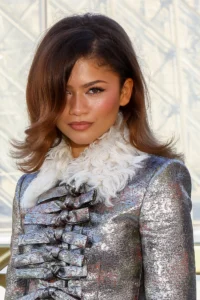
Color melting hair is winter’s ultimate low-maintenance color trend. By blending the best of highlights and balayage into one seamless technique, it delivers softness, depth, and longevity—all without constant touch-ups.
If you want hair color that looks intentional, natural, and effortlessly expensive, color melting may be your perfect match.
Color melting for gray hair
View this post on Instagram
Color melting for curly hair
View this post on Instagram
Color melting for blonde hair
View this post on Instagram