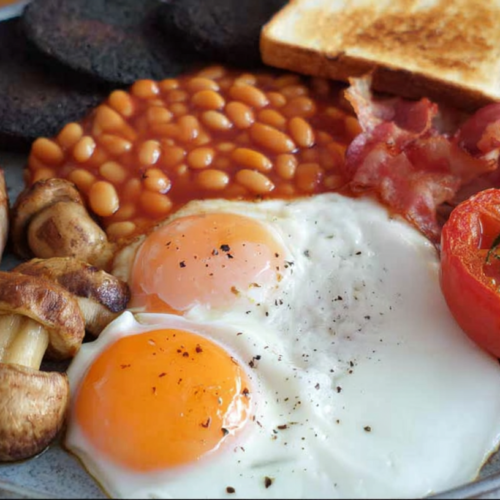
The classic full English breakfast is one of the most iconic meals in British cuisine, rooted in tradition and designed to be deeply satisfying. Originally served as a substantial morning meal for laborers, this hearty breakfast has evolved into a beloved weekend ritual and pub staple across the UK and beyond. Its appeal lies in the balance of textures and flavors—crispy bacon, juicy sausages, rich fried eggs, earthy mushrooms, sweet-acidic tomatoes, and comforting baked beans all sharing a single plate. Each component is cooked separately yet brought together in harmony, creating a breakfast that feels indulgent, grounding, and timeless. The flavor profile is savory-forward with subtle sweetness and umami depth, making it equally suitable for a slow brunch or a celebratory morning meal. This version stays true to tradition while focusing on proper technique, timing, and balance so every element shines without overwhelming the plate.
Why This Recipe Works
The classic full English breakfast succeeds because it is built on balance rather than complexity. Each component is simple on its own, yet when cooked with intention and assembled correctly, the plate delivers contrast in texture, temperature, and flavor. This recipe works because it respects traditional preparation methods while emphasizing timing and sequencing, ensuring that no element overpowers another. The result is a cohesive breakfast where richness, savoriness, and freshness coexist without excess.
Flavor Layering
Flavor layering in a full English breakfast is achieved through thoughtful variety rather than seasoning. The bacon provides smoky, salty depth, while the sausages contribute spiced, meaty richness. Fried eggs add creamy fat from the yolks, acting as a natural sauce that ties the plate together. Mushrooms bring earthy umami, tomatoes introduce brightness and acidity, and baked beans add subtle sweetness and moisture. Black pudding offers a deep, savory intensity that anchors the dish. Each flavor occupies its own space, creating a layered eating experience that feels substantial but never monotonous.
Technique
Proper technique is essential to elevate a traditional English breakfast from ordinary to exceptional. Cooking each element separately allows for precise control over texture and doneness. Bacon is fried slowly to render fat and achieve crisp edges without burning. Sausages are cooked evenly to ensure a juicy interior. Mushrooms are sautéed in rendered fat to maximize flavor, while tomatoes are cooked cut-side down to concentrate sweetness. Eggs are fried gently, allowing whites to set while yolks remain rich and fluid. Holding cooked items in a warm oven prevents overcooking while keeping the plate hot and ready to serve.
Cooking Logic
The cooking logic behind this recipe focuses on efficiency and heat management. Ingredients that require the longest cooking time—sausages and bacon—are started first. Components that benefit from residual fat, such as mushrooms and tomatoes, are cooked in the same pan to build flavor and reduce waste. Eggs and bread are prepared last to preserve their ideal texture. This logical sequence ensures all elements reach the table hot, properly cooked, and at their peak. The approach mirrors traditional British kitchen practices, emphasizing practicality without sacrificing quality.
Recipe Info
Prep Time: 5 minutes
Cook Time: 30 minutes
Total Time: 35 minutes
Yield: 4 servings
Category: Breakfast / Brunch
Cuisine: British
Ingredients
Main Components
1 cup baked beans
4 slices back bacon
4 pork sausages
6 oz mushrooms, cleaned and sliced
2 ripe tomatoes, halved
4 large eggs
2 slices black pudding
2 slices white bread
Cooking oil or lard, as needed
Salt, to taste
Ingredient Breakdown
Baked Beans
Baked beans provide gentle sweetness, moisture, and balance to the plate. Traditionally prepared in a lightly sweetened tomato sauce, they counter the richness of fried meats and eggs. Their soft texture contrasts with crisp elements, while their warmth ensures cohesion across the dish. Properly heated beans should be warm and glossy without reducing too far, preserving their comforting, familiar character.
Back Bacon
Back bacon is a defining component of a classic full English breakfast. Unlike streaky bacon, it contains both lean meat and a small ribbon of fat, offering structure and substance rather than excessive grease. When cooked correctly, it delivers a savory depth with crisp edges and tender centers, contributing both protein and salt that anchor the dish.
Pork Sausages
Pork sausages add spiced richness and heartiness. Traditional British sausages are lightly seasoned, allowing the pork flavor to remain dominant without aggressive herbs or heat. Even browning ensures a juicy interior, while their mild seasoning complements rather than competes with other components on the plate.
Mushrooms
Mushrooms bring umami and earthiness to the breakfast. When sautéed in rendered bacon or sausage fat, they absorb savory flavor while developing a golden exterior. Their tender texture contrasts with crispy meats, and their natural moisture helps balance drier elements like fried bread.
Tomatoes
Ripe tomatoes provide acidity and freshness, cutting through the richness of fats and meats. Cooking them cut-side down concentrates their natural sugars while preserving structure. Properly cooked tomatoes should be softened but not collapsed, offering brightness without excess liquid.
Eggs
Eggs act as the binding element of the breakfast. Fried eggs with set whites and soft yolks add richness and visual appeal. The yolk functions as a natural sauce, enhancing meats, bread, and mushrooms alike. Control over heat is essential to avoid rubbery whites or overcooked yolks.
Black Pudding
Black pudding contributes deep, savory intensity. Made from pork blood, fat, and grains, it delivers a rich, almost iron-like flavor that contrasts beautifully with milder components. Light frying warms the interior while creating a crisp exterior, preventing heaviness.
White Bread
White bread serves as a textural and practical component. When fried, it becomes crisp and golden, ideal for soaking up yolk, beans, and rendered fat. Its neutral flavor allows it to support the plate without distraction, reinforcing the dish’s comforting nature.
Cooking Oil or Lard
Cooking fat plays a crucial role in flavor development. Lard offers traditional authenticity and depth, while neutral oil provides clean heat. Using rendered bacon or sausage fat enhances cohesion across the dish, ensuring consistent savory notes.
Salt
Salt should be used sparingly and intentionally. Many components already contain seasoning, so salt functions primarily as a finishing adjustment rather than a primary flavor driver. Proper seasoning enhances natural flavors without overwhelming them.
Step-by-Step Instructions
Step 1: Prepare a Warming Zone
Begin by preheating the oven to 200°F (95°C). Place an oven-safe dish or tray inside. This step is essential for managing multiple components cooked at different speeds. A gentle warming zone allows you to hold cooked items at temperature without drying them out or continuing to cook, ensuring the final plate is served hot and cohesive.
Step 2: Heat the Baked Beans
Transfer the baked beans to a small saucepan and warm gently over low heat. Stir occasionally to prevent sticking or scorching. The goal is to heat the beans evenly without reducing the sauce. Keep the beans covered and warm once heated, adjusting seasoning only if necessary.
Step 3: Cook the Bacon and Sausages
Place a large skillet over medium heat. Add the back bacon and pork sausages without overcrowding the pan.
-
Cook the sausages slowly, turning frequently to ensure even browning and a fully cooked interior.
-
Cook the bacon until the fat renders and the edges become crisp while the center remains tender.
Once cooked, transfer both bacon and sausages to the warming dish in the oven. Leave the rendered fat in the pan—this will be used to build flavor in subsequent steps.
Step 4: Sauté the Mushrooms
Using the same skillet, add the sliced mushrooms directly into the remaining cooking fat. Increase heat slightly if needed.
Allow the mushrooms to cook undisturbed at first to encourage browning, then stir occasionally. Cook until they are golden, tender, and most of their moisture has evaporated. Transfer to the warming dish once done.
Step 5: Cook Tomatoes and Black Pudding
Lightly season the halved tomatoes with salt. Place them cut-side down in the pan along with the black pudding slices.
-
Cook tomatoes for approximately 2 minutes per side, allowing sugars to caramelize slightly.
-
Fry the black pudding gently, turning once, until crisp on the outside and heated through.
Transfer both to the warming dish, keeping them separate to preserve texture.
Step 6: Fry the Bread
Add additional oil or lard to the pan if needed. Place the bread slices into the hot fat and fry until golden and crisp on both sides.
Remove and drain briefly on paper towels to remove excess fat. Transfer to the oven to keep warm.
Step 7: Fry the Eggs
Crack the eggs carefully into the hot skillet over medium heat. Season lightly with salt.
Cook until the whites are set but the yolks remain soft. For traditional preparation, spoon hot fat over the whites to help them set evenly without flipping.
Remove from heat promptly to avoid overcooking.
Step 8: Assemble and Serve
Arrange all components on warmed plates:
-
Place eggs centrally
-
Arrange meats and black pudding alongside
-
Add mushrooms and tomatoes
-
Spoon baked beans to one side
-
Serve fried bread on the edge or separately
Serve immediately while hot.
Texture and Flavor Profile
The Classic Full English Breakfast is defined by contrast—both in texture and flavor—carefully balanced across the plate. Each component contributes a distinct sensory role, creating a meal that feels substantial, comforting, and complete rather than monotonous or heavy.
From a texture perspective, the dish offers an intentional range:
-
Crisp elements such as back bacon edges, fried bread, and black pudding provide bite and structure.
-
Juicy components, including pork sausages and fried eggs, add richness and moisture.
-
Soft, yielding textures from baked beans and sautéed mushrooms offer contrast and balance.
-
Lightly caramelized vegetables, like tomatoes and mushrooms, introduce tenderness with subtle resistance.
This layered textural experience ensures that every forkful feels varied and satisfying, preventing palate fatigue despite the dish’s hearty nature.
Flavor-wise, the Full English Breakfast is deeply savory with restrained sweetness and mild acidity:
-
Smoky, salty notes from bacon and sausages anchor the plate.
-
Umami richness from mushrooms and black pudding adds depth.
-
Natural sweetness from tomatoes and baked beans balances the savory elements.
-
Fat-driven richness from eggs and fried bread rounds out the meal.
-
Gentle acidity from tomatoes cuts through the richness, keeping the dish from feeling heavy.
Rather than relying on aggressive seasoning or sauces, the flavor profile depends on proper cooking techniques—rendering fat, caramelizing surfaces, and seasoning judiciously—to allow each ingredient to express its natural character.
The result is a breakfast that feels indulgent without excess, robust without heaviness, and familiar yet deeply satisfying.
Tips for Best Results
Executing a truly excellent Classic Full English Breakfast comes down to timing, heat management, and respecting each ingredient’s role on the plate. While the dish appears straightforward, attention to detail elevates it from a simple fry-up to a composed, restaurant-quality breakfast.
1. Cook Components in Order of Fat Content
Begin with items that release the most fat—sausages and bacon—and use that rendered fat to cook mushrooms, tomatoes, and eggs. This not only builds flavor but also minimizes waste and reduces the need for additional oil.
2. Use Moderate, Steady Heat
Avoid cooking everything on high heat. Medium to medium-low heat allows proteins to cook evenly without burning, ensuring sausages are fully cooked through and bacon crisps without becoming brittle.
3. Keep Finished Items Warm, Not Hot
Holding cooked components in a low oven (around 200°F / 95°C) keeps them warm without overcooking or drying out. This ensures everything reaches the plate at the same temperature.
4. Do Not Overcrowd the Pan
Overcrowding leads to steaming rather than browning. Cook in batches if necessary, especially mushrooms and tomatoes, to encourage caramelization and concentrated flavor.
5. Season Selectively
Many ingredients—sausages, bacon, black pudding—are already seasoned. Apply salt lightly and taste before adding more, particularly when seasoning eggs and vegetables.
6. Fry Eggs Last
Eggs cook quickly and are best served immediately. Cooking them last ensures vibrant yolks, tender whites, and optimal texture.
7. Spoon Hot Fat Over Eggs for Authenticity
For traditional fried eggs, gently spoon hot fat over the whites to set them without flipping, preserving a soft or runny yolk while ensuring fully cooked whites.
8. Serve Immediately
A Full English Breakfast is not meant to sit. Assemble and serve promptly to preserve crisp textures and temperature contrast.
Variations
The Classic Full English Breakfast has a defined traditional core, yet it has evolved over time to accommodate regional preferences, dietary needs, and modern cooking styles. These variations maintain the spirit of the dish while allowing flexibility without compromising its identity.
1. Traditional Pub-Style Full English
This version stays closest to the historical standard found in British pubs and cafés.
Key characteristics:
-
Back bacon rather than streaky bacon
-
Pork sausages with minimal seasoning
-
Fried eggs with runny yolks
-
Mushrooms cooked in rendered fat
-
Grilled tomatoes instead of fried
-
Baked beans served in a ramekin
This variation emphasizes balance and restraint, focusing on clean flavors rather than excess richness.
2. Extra-Hearty “Builder’s Breakfast”
Designed for maximum sustenance, this version increases portion sizes and adds additional components.
Additions may include:
-
Extra sausages or bacon slices
-
Hash browns or fried potatoes
-
Bubble and squeak (fried potato and cabbage cake)
-
Fried onions
This version is especially popular in cafés catering to early-morning workers and weekend brunch crowds.
3. Scottish Breakfast Variation
A Scottish breakfast closely resembles a Full English but incorporates regional specialties.
Common additions:
-
Lorne sausage (square sausage)
-
Tattie scones
-
Haggis (in some versions)
These additions contribute a denser, spiced profile while maintaining the hearty structure of the original dish.
4. Irish Breakfast Variation
The Irish version is known for its robust meat selection.
Distinct features:
-
White pudding alongside black pudding
-
Slightly thicker sausages
-
Often includes soda bread instead of fried bread
The flavor profile remains similar but leans more savory and grain-forward.
5. Vegetarian Full English
A vegetarian version preserves the structure while replacing meats with plant-based alternatives.
Typical substitutions:
-
Vegetarian sausages
-
Grilled halloumi or plant-based rashers
-
Extra mushrooms or roasted vegetables
-
Eggs remain central
This variation focuses on umami-rich vegetables and protein alternatives while maintaining visual and textural balance.
6. Vegan Breakfast Plate
A fully vegan adaptation requires thoughtful replacements to maintain substance.
Common components:
-
Plant-based sausages
-
Sautéed mushrooms and tomatoes
-
Baked beans
-
Toast or fried bread cooked in oil
-
Optional tofu scramble
Although distinct from the original, this version captures the hearty, comforting essence of a Full English breakfast.
7. Health-Conscious Variation
For those seeking a lighter approach without sacrificing satisfaction:
Adjustments include:
-
Grilled instead of fried components
-
Reduced-fat sausages
-
Poached eggs instead of fried
-
Whole-grain toast
-
Reduced portion sizes
This version maintains balance while lowering overall fat content.
8. Modern Restaurant Interpretation
Many contemporary restaurants reinterpret the Full English with refined techniques.
Modern touches may include:
-
Sous-vide sausages finished on the grill
-
Confit tomatoes
-
Wild mushrooms
-
Artisanal bread
-
Microgreens or herb oil garnish
These updates elevate presentation while respecting tradition.
Serving Suggestions
A Classic Full English Breakfast is traditionally served as a complete plate, but thoughtful presentation and pairing elevate both its visual appeal and eating experience.
Serve all components hot on a large, warmed plate to prevent rapid cooling. Arrange the sausages and bacon first as the protein anchor, followed by eggs placed centrally so the yolk remains intact. Mushrooms and tomatoes should be positioned adjacent to the eggs to allow flavors to mingle without overwhelming the plate. Baked beans are best served either in a small ramekin or neatly spooned onto the plate to prevent moisture from softening the fried bread.
Fried bread or toast should always be served on the side to preserve crispness. A pot of strong black tea or freshly brewed coffee is the most traditional accompaniment, while freshly squeezed orange juice provides a bright counterpoint to the savory elements.
For brunch service, adding grilled mushrooms or lightly dressed greens on the side can provide balance without straying from tradition.
Storage and Reheating
The Classic Full English Breakfast is best enjoyed fresh, but individual components can be stored and reheated when necessary.
Storage
-
Cooked meats (sausages, bacon, black pudding): Store in airtight containers in the refrigerator for up to 3 days.
-
Mushrooms and tomatoes: Refrigerate separately for up to 2 days.
-
Baked beans: Store covered for up to 4 days.
-
Fried eggs: Not recommended for storage; prepare fresh whenever possible.
-
Fried bread: Best eaten immediately; reheating compromises texture.
Reheating
-
Sausages and bacon: Reheat gently in a skillet over medium heat or in the oven at 325°F (165°C).
-
Beans: Reheat on the stovetop over low heat, stirring occasionally.
-
Mushrooms and tomatoes: Reheat briefly in a pan to avoid excess moisture.
-
Avoid microwaving eggs, as they toughen and lose their traditional texture.
For best results, reheat components separately rather than as a combined plate.
Nutrition Overview
The Classic Full English Breakfast delivers a balanced mix of protein, fats, and carbohydrates, making it a substantial and satisfying meal.
Approximate nutrition per serving:
-
Calories: 431 kcal
-
Protein: 22 g
-
Total Fat: 27 g
-
Saturated Fat: 8 g
-
Carbohydrates: 27 g
-
Fiber: 5 g
-
Sugars: 9 g
-
Sodium: 868 mg
Nutritional Highlights
-
High-quality protein from eggs, sausages, and bacon supports satiety.
-
Tomatoes and mushrooms contribute antioxidants and micronutrients.
-
Beans provide fiber and slow-digesting carbohydrates.
-
Moderation is recommended due to sodium and saturated fat content.
When consumed occasionally and prepared thoughtfully, a Full English breakfast fits well into a balanced diet.
Frequently Asked Questions
Is a Full English Breakfast eaten every day in the UK?
No. While iconic, it is typically reserved for weekends, holidays, or special occasions rather than daily consumption.
Can I prepare components ahead of time?
Yes. Meats, mushrooms, and beans can be prepared in advance and reheated, but eggs should always be cooked fresh.
What makes it “English” instead of American?
Key distinctions include back bacon, baked beans, black pudding, and the absence of pancakes or hash browns in the traditional version.
Can I make it healthier?
Yes. Grilling instead of frying, reducing portion sizes, and choosing leaner meats can significantly lower fat content.
Is black pudding essential?
Traditionalists consider it essential, but it is optional depending on availability and preference.
The Classic Full English Breakfast is more than a meal—it is a cultural institution rooted in British culinary history. Its enduring appeal lies in its honest simplicity, hearty composition, and comforting familiarity. When prepared with care, each component plays a distinct role, contributing texture, flavor, and balance to the plate.
Whether served as a weekend indulgence, a celebratory brunch, or a nostalgic reminder of British tradition, the Full English breakfast remains timeless. Respecting its structure while applying sound cooking techniques ensures a result that is satisfying, flavorful, and worthy of its iconic status.
Classic Full English Breakfast

Ingredients
- 1 cup baked beans
- 4 slices back bacon
- 4 pork sausages
- 6 oz mushrooms cleaned and sliced
- 2 ripe tomatoes halved
- 4 large eggs
- 2 slices black pudding
- 2 slices white bread
- Cooking oil or lard as needed
- Salt to taste
Instructions
- Preheat the oven to 200°F (95°C) and place an oven-safe dish inside to keep cooked items warm.
- Warm the baked beans gently in a small saucepan over low heat.
- Heat a large skillet over medium heat. Cook the bacon and sausages, turning occasionally, until the bacon is crisp and the sausages are evenly browned. Transfer to the warm dish in the oven.
- Using the same pan, add the mushrooms and cook until golden and tender. Move them to the oven dish, leaving the cooking fat behind.
- Lightly season the tomato halves with salt and place them cut-side down in the pan. Add the black pudding slices and cook both for about 2 minutes per side. Transfer to the oven.
- Add more oil to the pan if needed. Fry the bread slices until golden and crisp. Drain briefly on paper towels.
- Crack the eggs into the hot pan and fry to your liking, spooning hot fat over the yolks for traditional fried eggs.
- Serve everything hot on one plate, with fried bread on the side and beans spooned alongside.
Notes