Regular trims are essential to any healthy hair routine, but if you’re trying to grow your hair longer, you’ve probably wondered: Does hair grow faster when you cut it?
The short answer is no — cutting your hair doesn’t magically speed up growth at the root. But the longer, more helpful answer is that getting regular trims plays a crucial role in how long, strong, and healthy your hair can actually become.
Below, dermatologists and professional stylists break down what trims really do, how often you should cut your hair based on your goals, and how to maintain hair health between salon visits.
Does Hair Grow Faster When You Cut It?
Hair grows from the follicle beneath the scalp — not from the ends — so trimming your hair does not directly affect how fast it grows. On average, hair grows about half an inch per month, regardless of how often you cut it.
That said, regular trims can make hair appear to grow faster and healthier over time.
“While staying on schedule with trims won’t make your hair sprout at record speed, it will prevent damage that slows down healthy growth,” says Dr. Michele Green, a board-certified cosmetic dermatologist in New York City.
When split ends are left untreated, they can travel up the hair shaft, causing breakage that cancels out new growth. Cutting damaged ends helps preserve length — which is why trims are essential for anyone trying to grow their hair out.
Why Regular Trims Matter for Hair Growth
Even though trims don’t influence the follicle, they protect the hair you already have.
“Regular haircuts are important for removing split ends and preventing them from traveling up the hair shaft,” says Min Kim, celebrity colorist and L’Oréal Professionnel global ambassador. “If you don’t cut your hair regularly, split ends worsen, resulting in dull-looking hair that’s prone to breakage.”
In other words: Healthy ends = retained length.
Regular trims also help maintain density at the ends of your hair, which creates the illusion of fuller, longer strands — especially important if you’re growing out layers, bangs, or damage from coloring or heat styling.
How Often Should You Cut Your Hair When Growing It Out?
If your goal is length — not maintaining a specific cut — most experts recommend trimming your hair every 8 to 12 weeks.
“This helps keep the ends healthy while allowing your hair to grow without sacrificing shape,” Kim explains.
Skipping haircuts for six months or longer may feel productive, but stylists say it often backfires.
“When clients stop cutting their hair entirely to grow it out, that’s actually counterproductive,” says Shelly Aguirre, hairstylist at Maxine Salon in Chicago. “I recommend trims every three months to control split ends while still gaining length.”
Curly and coily hair types, which tend to be drier, may benefit from slightly more frequent trims to prevent breakage.
How Often Should You Cut Your Hair to Maintain a Specific Style?
If you’re maintaining a defined haircut — like a bob, lob, or heavily layered style — trims are typically needed every 6 to 8 weeks.
“For maintaining a specific style, it’s generally recommended to schedule a haircut every six to eight weeks to keep the shape intact,” Kim says.
Some people prefer even more frequent trims.
“I have clients who come in every four weeks to keep their cut sharp,” Aguirre adds. “Ultimately, it depends on your hair goals.”
How Often Should You Trim Bangs?
Bangs require the most upkeep of any haircut element.
Kim recommends trimming bangs every 3 to 4 weeks to maintain their shape and avoid eye-grazing frustration. Because bangs are often heat styled more frequently, regular trims also help minimize damage.
How Often Should You Cut Damaged or Chemically Treated Hair?
If your hair is colored, bleached, chemically straightened, or heat-damaged, more frequent trims are beneficial.
“For chemically treated hair, trimming every six to eight weeks helps prevent breakage and improves overall hair health,” Kim says.
Aguirre agrees, noting that routine trims can prevent damage from spreading and keep hair looking polished rather than frayed.
How to Maintain Hair Health Between Haircuts
Healthy growth isn’t just about scissors — what you do between trims matters just as much.
Kim recommends:
-
Using shampoo and conditioner suited to your hair type
-
Limiting heat styling and always using a heat protectant
-
Protecting hair from sun, chlorine, and environmental stress
-
Incorporating deep-conditioning treatments or masks regularly
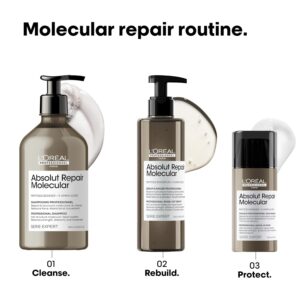
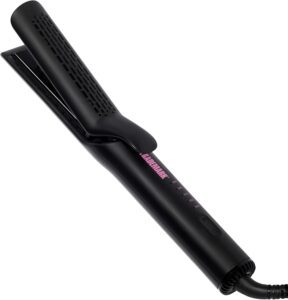
“Heat protection actually starts in the shower,” Aguirre adds. “Look for tools and products designed to reduce damage and distribute heat evenly.”
Most importantly, consult your stylist regularly. “Your stylist can see scalp and hair issues you might miss,” Aguirre says, from buildup to early breakage.
So, does hair grow faster when you cut it? Not technically — but regular trims are still essential if you want your hair to grow longer, stronger, and healthier.
By preventing split ends, reducing breakage, and maintaining shape, consistent haircuts help you keep the length you grow — which is what really matters in the long run.
If your goal is growth, don’t skip the scissors. Use them strategically.