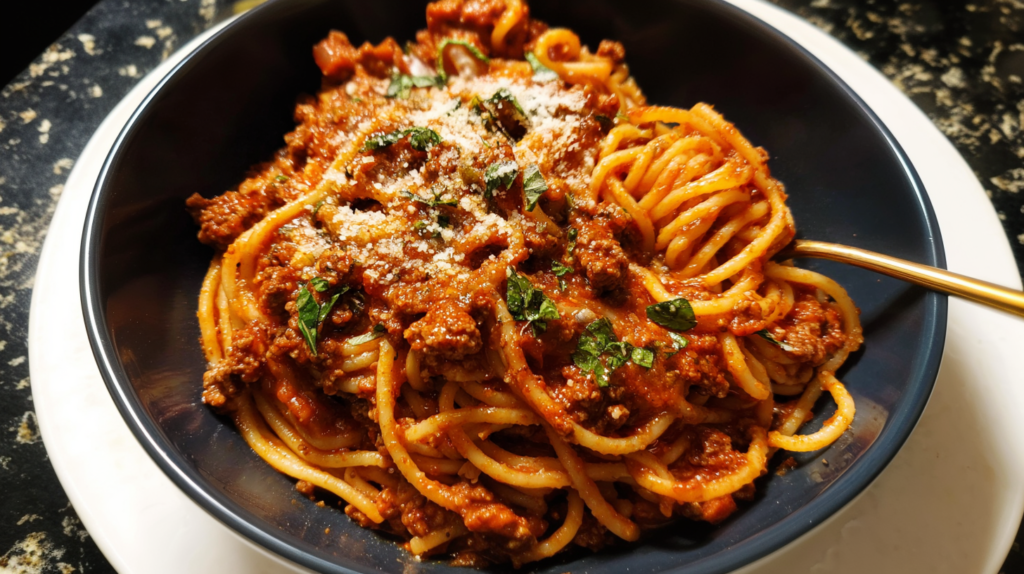
This Instant Pot Spaghetti is a streamlined, one-pot version of the classic comfort dish, designed for speed, consistency, and minimal cleanup without sacrificing flavor. Ground beef is seasoned and browned directly in the pressure cooker, then simmered with tomato sauce, pasta, and broth to create evenly coated noodles with a rich, savory finish. Ideal for busy weeknights, family meals, or batch cooking, this recipe delivers familiar Italian-inspired flavors with the efficiency and reliability of pressure cooking, resulting in tender spaghetti and a well-balanced sauce every time.
Why This Recipe Works
Instant Pot spaghetti succeeds when liquid ratios, ingredient order, and pressure timing are carefully controlled. This recipe is built to prevent common pressure-cooker pasta problems such as mushy noodles, scorched sauce, or uneven cooking. By layering ingredients correctly and using a measured amount of liquid, the spaghetti cooks evenly while absorbing flavor directly from the sauce. The result is pasta that is tender but not waterlogged, coated in a cohesive sauce rather than sitting in excess liquid. This method transforms a traditionally hands-on stovetop dish into a reliable, low-effort meal without compromising texture or taste.
Flavor Layering
Flavor development begins before pressure cooking starts. Browning the ground beef with oil and dry seasonings creates a savory base through caramelization, which deepens the overall taste of the dish. Garlic powder, onion powder, and Italian seasoning bloom in the hot fat, allowing their aromas to release fully before liquid is added. Tomato-based pasta sauce provides acidity and sweetness, while the chicken-flavored soup base reinforces umami and balances the tomatoes. Butter added at the end rounds out the sauce, softening acidity and giving the finished spaghetti a richer mouthfeel.
Technique
This recipe relies on sautéing, layering, and controlled pressure release. Sautéing the beef directly in the Instant Pot eliminates the need for extra pans while ensuring proper browning. Liquids are added before the pasta to prevent sticking and scorching. The spaghetti is broken in half and gently pressed into the liquid rather than stirred aggressively, which helps prevent clumping. A quick pressure release stops the pasta from overcooking, while a short resting period allows the noodles to absorb excess liquid and thicken the sauce naturally.
Cooking Logic
Pressure cooking pasta works because steam penetrates the noodles rapidly while the sealed environment prevents evaporation. This recipe uses just enough liquid to cook the spaghetti fully while accounting for absorption and sauce thickness. Cooking for eight minutes under pressure, followed by immediate release, ensures the pasta reaches al dente without becoming soft or gummy. The final rest period is essential—it allows starches to settle and bind with the sauce, creating a cohesive texture that resembles slow-simmered spaghetti despite the short cooking time.
Recipe Info
Prep Time: 5 minutes
Cook Time: 30 minutes
Total Time: 35 minutes
Yield: 6 servings
Category: Dinner
Cuisine: American / Italian-Inspired
Ingredients
1 tablespoon (15 ml) olive oil
1 pound (450 g) ground beef
½ teaspoon garlic powder
½ teaspoon onion powder
½ teaspoon Italian seasoning
1 garlic clove, minced (optional)
1 teaspoon salt
3 cups (720 ml) tomato-based pasta sauce
1¾ cups (420 ml) water
1 teaspoon chicken-flavored soup base or bouillon powder
8 ounces (225 g) dried spaghetti, broken in half
Optional Toppings
4 tablespoons (56 g) unsalted butter
Grated Parmesan-style cheese
Fresh parsley or basil, finely chopped
Red pepper flakes
Ingredient Breakdown
Olive Oil
Olive oil serves as the cooking fat for browning the ground beef and blooming the seasonings. It prevents sticking in the pressure cooker and adds subtle richness without overpowering the tomato-based sauce. A small amount is sufficient because the beef contributes additional fat as it cooks.
Ground Beef
Ground beef provides structure, protein, and savory depth. As it browns, it develops caramelized flavors that form the backbone of the sauce. Using standard ground beef works well here because the rendered fat enhances mouthfeel and carries seasoning evenly throughout the dish.
Garlic Powder
Garlic powder delivers consistent garlic flavor without the risk of burning under pressure. It disperses evenly through the meat, contributing savory warmth that complements the tomato sauce.
Onion Powder
Onion powder adds sweetness and depth without introducing extra moisture. It reinforces the classic spaghetti flavor profile while keeping the sauce smooth and cohesive.
Italian Seasoning
Italian seasoning typically includes herbs such as oregano, basil, and thyme. This blend adds herbal complexity and creates a familiar, comforting flavor associated with traditional spaghetti sauces.
Fresh Garlic
Minced garlic is optional but adds sharp aromatic intensity. When sautéed briefly with the beef, it contributes a fresh garlic note that enhances overall flavor without dominating the dish.
Salt
Salt seasons the beef and balances acidity in the tomato sauce. Proper salting at the beginning ensures the meat is flavorful throughout rather than relying on surface seasoning at the end.
Tomato-Based Pasta Sauce
The pasta sauce forms the primary liquid and flavor base. Its balance of acidity, sweetness, and seasoning allows the spaghetti to cook directly in the sauce, absorbing flavor instead of diluting it in plain water.
Water
Water provides the additional moisture needed for pressure cooking the pasta. The measured amount ensures the noodles cook evenly without leaving excess liquid once the dish rests.
Chicken-Flavored Soup Base or Bouillon
This ingredient boosts umami and deepens savory notes. It enhances the sauce without making it taste like soup, creating a fuller, more developed flavor in a short cooking time.
Dried Spaghetti
Dried spaghetti holds up well under pressure cooking and absorbs flavor efficiently. Breaking it in half allows it to fit in the pot and cook evenly while remaining submerged.
Butter (Optional)
Butter is added after cooking to enrich the sauce. It softens acidity, improves texture, and gives the spaghetti a glossy, cohesive finish.
Parmesan-Style Cheese
Grated cheese adds saltiness and umami. When sprinkled over hot spaghetti, it melts slightly, enhancing richness and depth.
Fresh Herbs
Parsley or basil adds freshness and visual contrast. Herbs balance the richness of the sauce and brighten the final dish.
Red Pepper Flakes
Red pepper flakes provide optional heat. They add gentle spice without overwhelming the classic spaghetti flavor.
Step-by-Step Instructions
Begin by setting the pressure cooker to sauté mode and allowing it to heat fully before adding any ingredients. Once hot, pour in the olive oil and let it warm for a few seconds until it shimmers slightly. This ensures the oil coats the bottom evenly and prevents sticking during browning.
Add the ground beef directly to the pot, breaking it apart with a sturdy spoon or spatula. Sprinkle in the garlic powder, onion powder, Italian seasoning, salt, and minced garlic if using. Stir continuously as the beef cooks, pressing it against the bottom of the pot to encourage browning rather than steaming. Continue cooking until the meat is fully cooked through and lightly caramelized, with no visible pink remaining. Proper browning at this stage builds the foundational flavor of the entire dish.
Once the beef is browned, turn off sauté mode briefly to prevent scorching. Pour the tomato-based pasta sauce into the pot, followed by the measured water and chicken-flavored soup base. Stir gently to combine, scraping the bottom of the pot to release any browned bits. These browned bits dissolve into the sauce, adding depth and savory complexity.
Break the dried spaghetti in half and layer it evenly over the sauce. Use tongs or a spoon to gently press the noodles down into the liquid, ensuring they are fully submerged. Do not stir at this stage. Keeping the pasta beneath the liquid prevents uneven cooking and reduces the risk of a burn warning during pressure cooking.
Secure the lid on the pressure cooker and set it to cook on high pressure for 8 minutes. Once the cooking cycle completes, immediately perform a quick pressure release. This rapid release is essential to prevent the pasta from overcooking and becoming mushy.
After the pressure is fully released, carefully open the lid. The sauce may appear thin at first, which is expected. Using tongs, gently lift and separate the spaghetti strands, mixing them evenly with the sauce and beef. This step distributes heat and ensures the noodles are evenly coated.
Allow the spaghetti to rest uncovered in the pot for approximately 10 minutes. During this time, the pasta continues to absorb excess liquid, naturally thickening the sauce to a rich, clingy consistency without additional thickening agents.
Once the sauce has thickened, add the butter if using. Stir gently until fully melted and incorporated. The butter smooths the sauce, balances acidity, and gives the finished spaghetti a glossy, cohesive texture.
Taste the spaghetti and adjust seasoning if necessary. Serve hot, finishing each portion with grated Parmesan-style cheese, fresh herbs, and red pepper flakes as desired.
Texture and Flavor Profile
Instant Pot spaghetti delivers a texture that is both comforting and cohesive, with noodles that are tender yet structured, never waterlogged when properly rested. The pressure-cooked spaghetti absorbs the tomato sauce directly as it cooks, resulting in pasta that is seasoned all the way through rather than coated after the fact. This method creates a unified dish where sauce, meat, and noodles behave as a single, harmonious component.
The ground beef provides a savory, umami-rich backbone, while the tomato-based sauce offers acidity and sweetness that balance the dish. Italian seasoning adds herbal warmth without overpowering, allowing the classic spaghetti flavor to remain familiar and family-friendly. Butter, when added at the end, rounds out the sauce, softening sharp tomato notes and lending a silky mouthfeel that clings to each strand.
Overall, the flavor profile is rich but approachable, savory without being heavy, and balanced enough to appeal to both adults and children. The dish is bold enough to stand alone yet neutral enough to welcome additional toppings or sides.
Tips for Best Results
Use a tomato sauce with moderate thickness and balanced acidity. Extremely thick sauces may require an extra splash of water to prevent scorching, while overly thin sauces can result in a watery finish before resting.
Always press the spaghetti fully under the liquid before pressure cooking. Exposed noodles cook unevenly and may trigger burn warnings due to uneven heat distribution.
Avoid stirring the pasta before pressure cooking. Stirring can cause noodles to clump at the bottom of the pot, increasing the risk of sticking and uneven texture.
Perform an immediate quick pressure release once cooking is complete. Allowing the pot to naturally release pressure will continue cooking the pasta and can result in overly soft noodles.
Do not skip the resting phase. The 10-minute rest period is essential for sauce thickening and flavor absorption. Stirring too early can break the pasta and leave excess liquid in the pot.
For a richer finish, add butter gradually and stir gently. Overmixing at this stage can break the noodles and dull the sauce’s sheen.
Season conservatively during cooking and adjust at the end. The soup base, cheese, and butter all add saltiness, so final seasoning should be done after resting.
Variations
Instant Pot spaghetti is highly adaptable, making it easy to customize based on dietary needs, pantry availability, or flavor preferences without changing the core cooking logic.
Meat Variations
Ground turkey or ground chicken can replace ground beef for a lighter version. These lean proteins benefit from a slightly higher fat addition at the end, such as an extra tablespoon of butter or a drizzle of olive oil, to maintain richness.
Italian sausage, either mild or spicy, adds deeper seasoning and fat. Remove casings before browning and reduce added salt slightly, as sausage is typically pre-seasoned.
For a mixed-protein option, combine half ground beef and half sausage to create a more complex flavor profile while maintaining balance.
Vegetarian Adaptation
To make this dish vegetarian, omit the ground beef and replace the soup base with a vegetable-based alternative. Add sautéed mushrooms, diced zucchini, or lentils during the browning phase to introduce umami and texture.
A tablespoon of tomato paste added before pressure cooking can help compensate for the depth normally provided by meat.
Sauce Enhancements
For a richer tomato profile, stir in a tablespoon of tomato paste before adding liquids. This intensifies color and depth without overpowering the dish.
Crushed red pepper flakes or a pinch of chili powder can be added during browning for subtle heat.
A splash of cream or a spoonful of cream cheese stirred in at the end creates a creamy tomato-style sauce while maintaining structure.
Pasta Adjustments
Whole wheat spaghetti can be used, but may require an additional ¼ cup of water and a slightly longer rest time to fully hydrate.
Gluten-free spaghetti works best when broken into thirds rather than halves and pressed fully into the liquid. Expect a softer final texture.
Short pasta shapes are not recommended for this method, as cooking times and liquid absorption rates differ significantly.
Serving Suggestions
Instant Pot spaghetti is designed to be a complete, satisfying main dish, but thoughtful accompaniments elevate the overall meal experience.
Serve with a crisp green salad dressed lightly with lemon or vinegar to balance the richness of the sauce. The acidity refreshes the palate and complements the tomato base.
Garlic bread or toasted flatbread provides texture contrast and is ideal for scooping up extra sauce. Keep seasoning simple to avoid competing flavors.
Grated Parmesan-style cheese adds umami and saltiness. Sprinkle just before serving so it melts gently without clumping.
Fresh herbs such as parsley or basil brighten the dish visually and aromatically. Add them at the table rather than during cooking to preserve freshness.
For a heartier presentation, pair with roasted vegetables like broccoli, zucchini, or carrots, which add structure and visual contrast without overpowering the spaghetti.
Storage and Reheating
Proper storage and reheating are essential for maintaining the texture, flavor balance, and structural integrity of Instant Pot spaghetti. Because this recipe uses a one-pot cooking method where pasta absorbs sauce during resting, thoughtful reheating prevents dryness or over-softened noodles.
Refrigeration Storage
Allow the spaghetti to cool slightly before storing. Transfer leftovers into airtight containers within two hours of cooking to preserve freshness and food safety.
Stored properly, Instant Pot spaghetti will remain fresh in the refrigerator for up to 4 days. Because pasta continues absorbing moisture as it rests, the sauce will naturally thicken during storage. This is expected and easily corrected during reheating.
For best results, store pasta in shallow containers. This allows faster cooling and prevents condensation buildup, which can dilute flavor and texture.
Freezer Storage
Instant Pot spaghetti freezes well, though pasta texture may soften slightly after thawing.
To freeze:
-
Allow spaghetti to cool completely.
-
Portion into freezer-safe containers or heavy-duty freezer bags.
-
Remove excess air to prevent freezer burn.
-
Label with the preparation date.
Frozen spaghetti maintains optimal quality for up to 2 months.
When ready to use, thaw overnight in the refrigerator for best texture retention.
Reheating Methods
Because the pasta continues to absorb sauce, adding moisture during reheating is critical.
Stovetop Reheating (Best Method)
-
Place spaghetti into a saucepan or skillet over medium-low heat.
-
Add 2–4 tablespoons of water, broth, or pasta sauce per serving.
-
Stir gently and frequently until heated through.
-
Add a small amount of butter or olive oil if additional richness is desired.
This method preserves noodle structure and allows precise control over consistency.
Microwave Reheating
-
Place spaghetti in a microwave-safe bowl.
-
Add 1–2 tablespoons of water or sauce per portion.
-
Cover loosely with a lid or damp paper towel.
-
Heat in 60-second intervals, stirring between intervals, until warmed evenly.
Microwave reheating is convenient but requires careful stirring to avoid uneven heating.
Reheating Frozen Portions
Thawed spaghetti should be reheated using either stovetop or microwave methods. If reheating directly from frozen, use low heat and allow additional moisture to fully rehydrate the noodles.
Texture Recovery Tip
If pasta appears overly thick or sticky after storage, gradually add warm broth or water while stirring. The sauce will loosen and return to a creamy, cohesive consistency.
Nutrition Overview
(Approximate per serving)
-
Calories: 420 kcal
-
Carbohydrates: 42 g
-
Protein: 26 g
-
Fat: 18 g
-
Saturated Fat: 7 g
-
Fiber: 4 g
-
Sugar: 8 g
-
Cholesterol: 75 mg
-
Sodium: 620 mg
-
Potassium: 520 mg
-
Iron: 3.5 mg
-
Calcium: 120 mg
Frequently Asked Questions
Can I use a different type of pasta?
Yes, you can use penne, fusilli, or rigatoni instead of spaghetti. Keep in mind that cooking times may vary slightly depending on pasta shape and thickness. Shorter pasta may need 1–2 minutes less, while thicker pasta could require an additional minute.
Can I make this vegetarian or vegan?
Absolutely. Substitute the ground beef with plant-based crumbles, lentils, or sautéed mushrooms. Use vegetable broth instead of chicken-flavored soup base and ensure your pasta sauce contains no animal products.
Do I have to break the spaghetti in half?
Breaking spaghetti helps it submerge evenly in the liquid, preventing clumping or sticking. If your pot is large enough, you can leave it whole, but you may need to stir halfway through cooking to ensure even coverage.
Can I double the recipe?
Yes, but ensure your Instant Pot is not filled beyond the maximum fill line. You may need to slightly increase cooking time by 1–2 minutes and allow extra time for natural pressure release if using a larger volume.
How can I store leftovers?
Store cooled spaghetti in an airtight container in the refrigerator for up to 4 days. Reheat on the stovetop over low heat, adding a splash of water or broth to maintain creamy consistency.
Can I freeze this dish?
Yes, freeze in airtight containers for up to 3 months. Thaw overnight in the refrigerator and reheat gently on the stovetop to avoid overcooking the noodles.
Why does the sauce look watery at first?
This is normal. The noodles will absorb the liquid as they rest for 10 minutes after pressure cooking, creating a creamy, well-coated sauce.
Instant Pot Spaghetti is the ultimate weeknight dinner solution for busy families and home cooks seeking convenience without sacrificing flavor. By cooking the pasta directly in the sauce with seasoned ground beef, garlic, and Italian spices, you achieve noodles that are perfectly tender and fully coated in a rich, savory sauce. The pressure cooking method locks in flavor while dramatically reducing cooking time, making it ideal for evenings when you want a hearty, comforting meal without hours at the stove.
The recipe’s simplicity is its strength—minimal ingredients deliver maximum taste. The resting period after pressure cooking ensures the sauce thickens naturally, creating a creamy texture reminiscent of slow-simmered spaghetti sauces. Optional additions such as fresh herbs, grated Parmesan, or a pinch of red pepper flakes allow you to customize the dish to your family’s preferences.
Whether you’re preparing dinner for a weeknight family meal, hosting a casual gathering, or making a large batch for meal prep, this Instant Pot Spaghetti recipe delivers consistent results every time. Its versatility, speed, and rich flavor profile make it a go-to recipe in any home cook’s repertoire, providing a satisfying, comforting plate of spaghetti that tastes like it took hours to make, all in under 40 minutes.
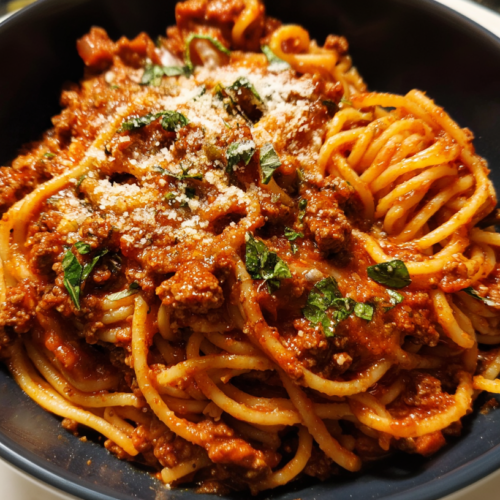
Instant Pot Spaghetti

Ingredients
- 1 tablespoon olive oil
- 1 pound ground beef
- ½ teaspoon garlic powder
- ½ teaspoon onion powder
- ½ teaspoon Italian seasoning
- 1 garlic clove minced (optional)
- 1 teaspoon salt
- 3 cups tomato-based pasta sauce
- 1¾ cups water
- 1 teaspoon chicken-flavored soup base or bouillon powder
- 8 ounces dried spaghetti broken in half
- Optional Toppings:
- 4 tablespoons butter
- Grated Parmesan-style cheese
- Fresh parsley or basil chopped
- Red pepper flakes
Instructions
- Brown the Meat:
- Set a pressure cooker to sauté mode. Add olive oil, ground beef, garlic powder, onion powder, Italian seasoning, minced garlic, and salt. Cook, stirring often, until the meat is fully browned.
- Add Sauce and Pasta:
- Pour in the pasta sauce, water, and soup base. Stir gently. Add the spaghetti, pressing it down so it is fully submerged in the liquid.
- Pressure Cook:
- Secure the lid and cook on high pressure for 8 minutes.
- Quick Release:
- Carefully release the pressure immediately to prevent overcooking the pasta.
- Rest and Finish:
- Stir well with tongs. The sauce will look loose at first—let the spaghetti rest uncovered for 10 minutes so the noodles absorb the sauce. Stir in butter until melted and creamy.
- Serve:
- Top with grated cheese, fresh herbs, and red pepper flakes if desired.
Notes