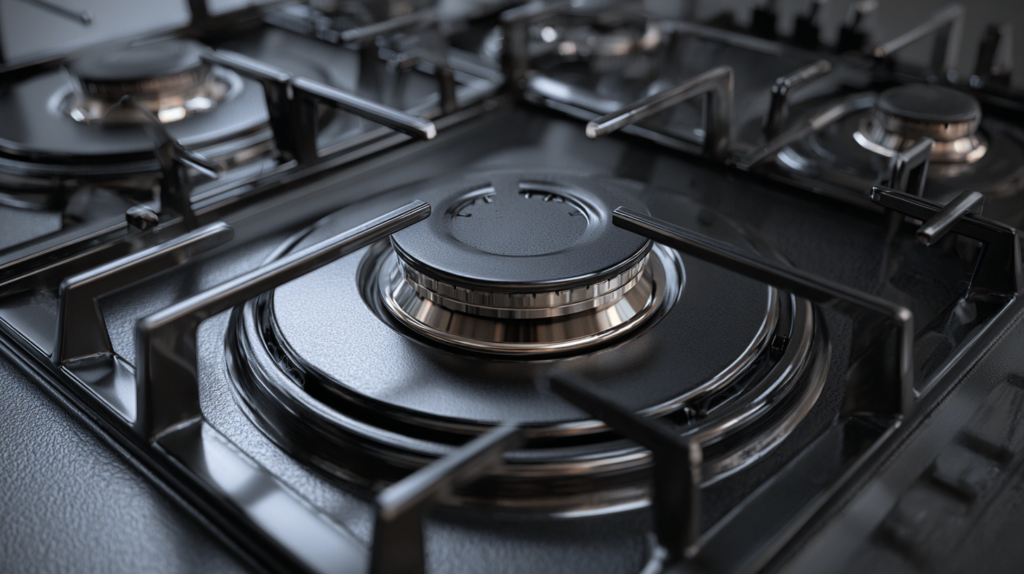
Gas stoves remain popular for their power, speed, and precise temperature control — but they come with one serious risk many homeowners overlook: natural gas leaks. And according to the National Fire Protection Association (NFPA), gas leak incidents have significantly increased over the last two decades. A 15-year review of U.S. reports found 2.4 million documented gas leak events, proving that the danger is more common than people think.
While natural gas is efficient, it’s also highly flammable and hazardous when it escapes into your home. Exposure can lead to health issues, severe injury, fire, and even deadly explosions. Fortunately, there’s one simple tool that can dramatically reduce your risk.
Why Every Home Needs a Natural Gas Detector
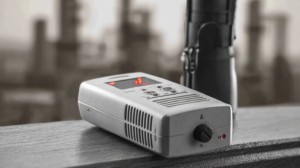
Your most critical line of protection is a natural gas detector — the must-have safety device for any home with a gas stove, furnace, water heater, or other fuel-burning appliances.
Unlike relying on your sense of smell, a gas detector continuously monitors the air for methane, the primary component of natural gas. When the device detects unsafe levels, it triggers a loud alarm designed to alert you before danger escalates.
Most people assume the “rotten egg” smell is enough to warn them of a leak. But this odor comes from an added chemical (mercaptan) — and it’s far from foolproof. You may:
-
Become nose-blind after a few minutes
-
Be asleep when a leak happens
-
Be away from home
-
Not notice a slow, low-level leak
This is exactly why the NFPA recommends installing natural gas detectors in all homes using natural gas.
If you’re deciding between a gas vs. electric stove, the cost of adding a detector is important to factor in — it’s an extra expense, but a necessary one.
How to Choose the Best Natural Gas Detector
With dozens of detectors on the market, it’s important to buy a model that meets current NFPA testing and safety standards. Look for certification labels from recognized testing agencies (UL, CSA, or ETL).
Expert-Recommended Model
According to SafeGas.org’s panel of fire inspectors and prevention experts, the top-performing detector is:
Kidde Nighthawk Natural Gas Detector
-
Automated self-calibration
-
Adjustable sensitivity
-
Accurate detection range
-
Easy wall or outlet mounting
-
Typically under $60 on Amazon
This model consistently ranks #1 for reliability, durability, and user-friendly design.
Where to Install a Natural Gas Detector for Maximum Safety
Proper placement is just as critical as owning the device. The NFPA recommends installing detectors near every fuel-burning appliance, including:
-
Gas stoves & cooktops
-
Ovens
-
Water heaters
-
Furnaces
-
Gas dryers
-
Fireplaces
-
Attached garages and basements
Distance & Height Guidelines
Because natural gas rises, installation height is essential:
✔ Mount 6–12 inches below the ceiling
✔ Place at least 20 feet away from the appliance
✔ Install one detector on every level of the home
Places to Avoid
Do not install detectors near:
-
Open windows
-
Fans or vents
-
Drafty areas
-
Humid zones like bathrooms
-
Direct sunlight
-
Areas below 40°F or above 100°F
Airflow can push gas away from the sensor, preventing accurate detection.
If you’re unsure about installation, call an electrician, your local gas company, or even the fire department for guidance.
Natural Gas Detectors: A Small Investment With Life-Saving Potential
A natural gas detector is one of the simplest, cheapest, and most effective tools for home safety. Gas leaks may be rare, but when they happen, the consequences can be catastrophic.
If you cook with gas or rely on natural gas appliances, installing a detector isn’t optional — it’s essential.
Some homeowners choose to switch entirely to electric stoves to eliminate leak risks and reduce environmental impact. But if you plan to stick with gas, a natural gas detector is the single best way to protect your household.