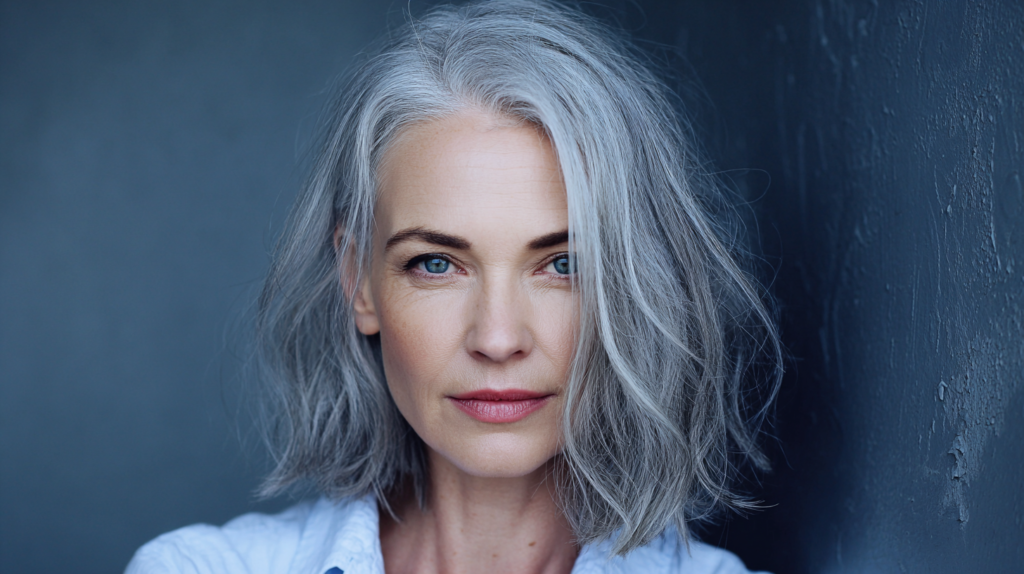
If you’ve noticed your ponytail feels thinner or your part looks wider than usual, it’s natural to ask: Why is my hair falling out? Before panicking, it’s important to know that some hair shedding is completely normal.
Most people lose around 80 hairs per day, though this number can fluctuate based on hormones, stress, medications, seasonal changes, and overall health. However, if you’re finding clumps of hair in the shower drain or excessive shedding on your brush, something may be disrupting your hair’s natural growth cycle.
“The good news is that hair loss is often treatable once the underlying cause is identified,” says trichologist Mark Blake, who estimates that nearly 40% of women experience some form of hair loss.
Below, experts break down how hair grows, the most common causes of hair loss in women, and what you can do to slow shedding and support regrowth.
Understanding the Hair Growth Cycle
Each strand of hair moves through three stages:
-
Anagen (Growth Phase): Lasts 3–7 years; hair actively grows
-
Catagen (Transition Phase): About 10 days; growth slows and detaches from blood supply
-
Telogen (Resting Phase): Around 3 months; hair sheds and is replaced by new growth
Hair loss occurs when this cycle is disrupted—often pushing too many hairs into the shedding phase at once.
Common Types of Hair Loss
Genetic Hair Loss
Also known as androgenic alopecia, this inherited condition can come from either parent. Hormonal sensitivity causes follicles to grow progressively finer hair until growth eventually stops.
Reactive Hair Loss
Triggered by stressors like illness, weight loss, dietary changes, or hormonal shifts. “Hair is nonessential tissue, so it’s the first to be affected when nutrients are limited,” explains Anabel Kingsley, consultant trichologist.
11 Causes of Hair Loss in Women
1. Stress
Chronic stress can trigger telogen effluvium, pushing more hairs into the shedding phase. Hair loss typically starts two months after stress begins and resolves within four months of stress reduction.
2. Traction Alopecia
Tight ponytails, braids, extensions, and repeated tension weaken strands, causing breakage that mimics hair loss.
3. Iron Deficiency
Low ferritin levels—common in those with heavy periods or vegetarian diets—shorten the growth phase and increase shedding.
4. Ozempic and Rapid Weight Loss
Hair loss isn’t a direct side effect, but calorie restriction and nutrient deficiencies can stress follicles and trigger temporary shedding.
5. Poor Scalp Health
Hormones, pollution, buildup, and inflammation can disrupt follicles and impair growth.
6. Overusing Dry Shampoo
Excess dry shampoo clogs follicles with oil and debris, creating inflammation that interferes with healthy hair growth.
7. Vitamin D Deficiency
Low vitamin D can interrupt the anagen phase, slowing growth and increasing shedding.
8. Hormonal Changes
Estrogen supports hair growth, while progesterone and androgens can shorten it. Birth control changes may temporarily increase hair fall.
9. Postpartum Hair Loss
After pregnancy, estrogen drops sharply, causing noticeable shedding. This usually resolves within three months.
10. Smoking
Smoking reduces blood flow to follicles by up to 30%, accelerating thinning and premature hair loss.
11. Medications
Blood pressure meds, antidepressants, acne treatments, and more can trigger hair loss. Always consult your doctor if shedding begins after starting a new medication.
The Best Hair Loss Treatments
Eat More Protein
Hair is made of protein. Aim for daily servings of fish, meat, eggs, quinoa, or nuts.
Add Whole Grains
Complex carbs provide sustained energy for rapidly growing hair cells.
Use Hair Growth Supplements
Look for formulas with iron, zinc, biotin, and marine proteins—after checking for deficiencies.
Deep-Cleanse Your Scalp
Weekly exfoliation removes buildup from silicones, hard water, and pollution.
Apply Leave-In Scalp Treatments
Serums with caffeine, stem cells, or hyaluronic acid can extend the growth phase and reduce shedding.
Massage Your Scalp
Regular scalp massage boosts circulation, calms the nervous system, and stimulates thicker growth.
When to See a Professional
If hair loss is sudden, patchy, painful, or persistent, consult a dermatologist or trichologist. Personalized treatment plans offer the best chance of reversing shedding and restoring healthy growth.